Ask anyone who made the move into banking from another career how they got the first interview, and the answer is usually a person, not a portal. Someone inside the bank passed their resume to the right desk.
That is not luck, and it is not reserved for people who went to the right school. It is a process. Most people simply stop one step too early.
Why referrals matter so much in banking
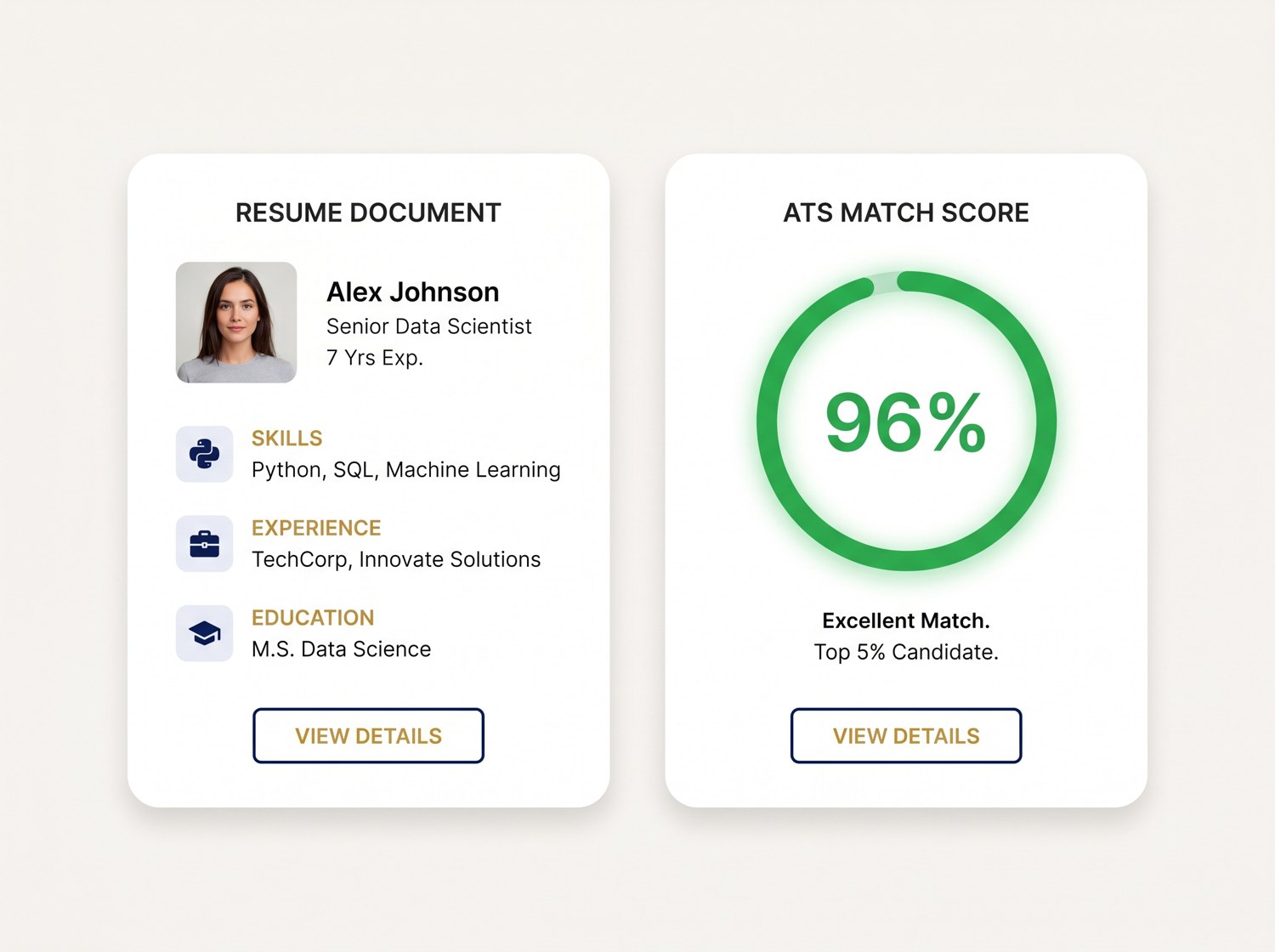
A single lateral posting at a recognized bank can draw hundreds of applications, and many are filtered by software before a human reads a word. A referred resume skips that pile. It lands with someone on the team, often with a line of context attached.
For an experienced hire with a non-traditional background, that context is everything. It turns "a corporate banker applying to M&A" into "someone I spoke to who has real credit and modeling experience and knows why they want this."
Step one: map the right people
Do not start with managing directors you have never met. Start with people who are close to the work and close to your story:
- Analysts, associates and VPs in the groups you want
- People who made a move like yours: Big 4 to banking, corporate banking to M&A, consulting to coverage
- Alumni of your school and your past employers
Five well-chosen people at a firm are worth more than fifty random connection requests.
Step two: make the ask easy to say yes to
Keep it short and specific. Say who you are in one line, why you are reaching out to them in particular, and ask for fifteen minutes to hear how they made the move or what the group looks for.
Do not ask for a job. Do not attach a resume in the first message. Make it easy, specific and low-effort to say yes.
Step three: follow up, twice
This is where most people quit. Bankers are busy, and a first message often gets buried. A polite follow-up a week later, and another a week after that, is normal and expected. A large share of yeses come on the second or third touch.
Step four: run a good call
Prepare like it is an interview, because in a way it is. Know what the group does and a recent deal. Have a crisp, credible answer to "why banking, why now." Ask good questions about their path.
At the end, ask directly: "Would you be comfortable passing my resume to the team, or pointing me to the right person?" If the call went well, most people will say yes.
Step five: do it at volume, every week
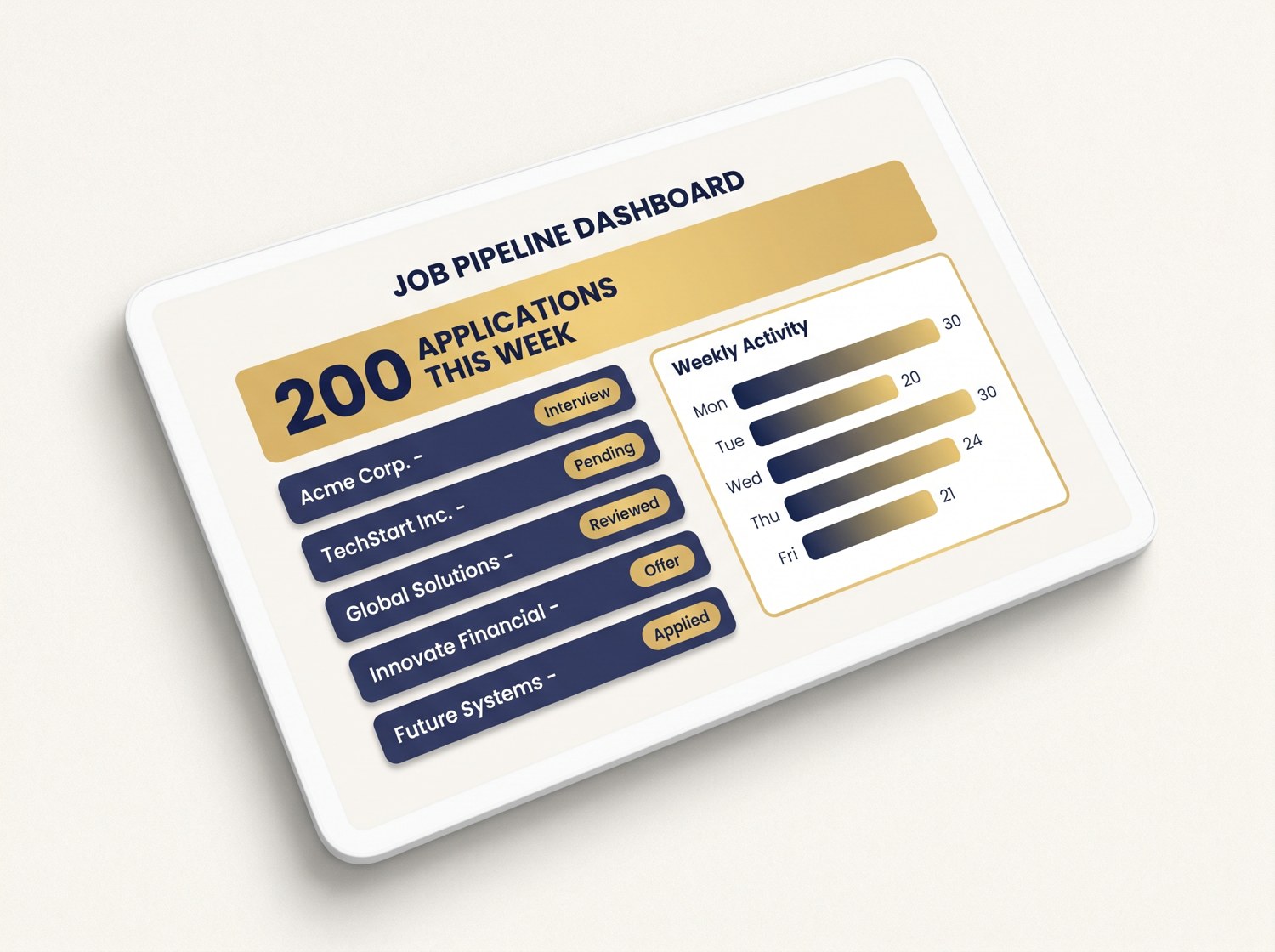
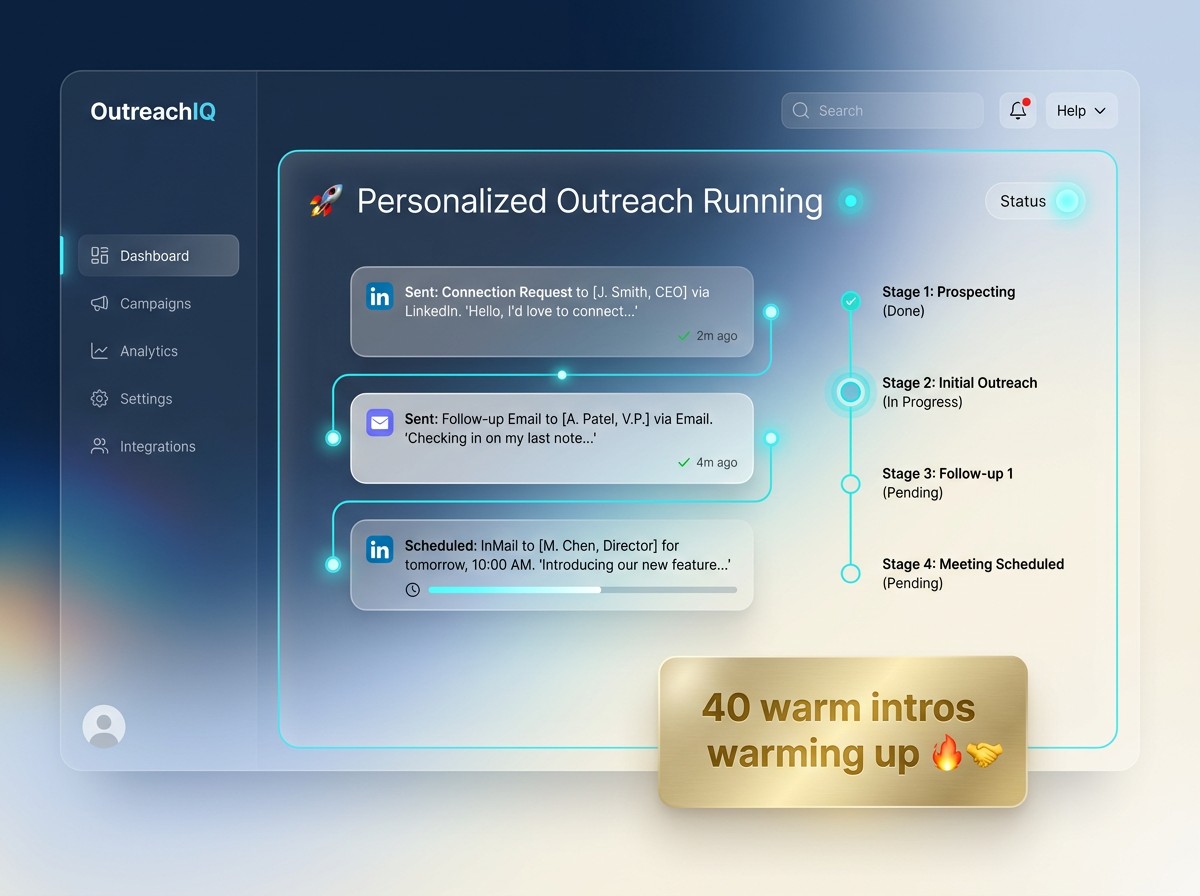
One referral is a lottery ticket. A pipeline of conversations across many firms, every week, is what produces interviews. That is the part that breaks people with a full-time job: the mapping, writing, following up and scheduling add up to a part-time job of their own.
That is exactly the work we take off our clients' plates. We map the people, reach out from your profile, follow up and book the calls, and you take them, prepared. Here is how networking for you works.