If it feels harder to get a reply to a job application than it did a few years ago, it is not your imagination. The numbers from the past year tell a consistent story: candidates are applying more, employers are screening with software, and the signal that actually gets someone hired has quietly shifted back to people.
For experienced professionals trying to move into investment banking, private equity, consulting, product management or corporate strategy, that shift changes how a search should be run.
What changed in 2026
More applications, less signal. LinkedIn CEO Dan Shapero said this fall that job seekers are sending about 30% more applications than they did before the pandemic, and that "it's gotten harder and harder for employers to know who can actually do the job anymore" (Fortune, September 30, 2026).
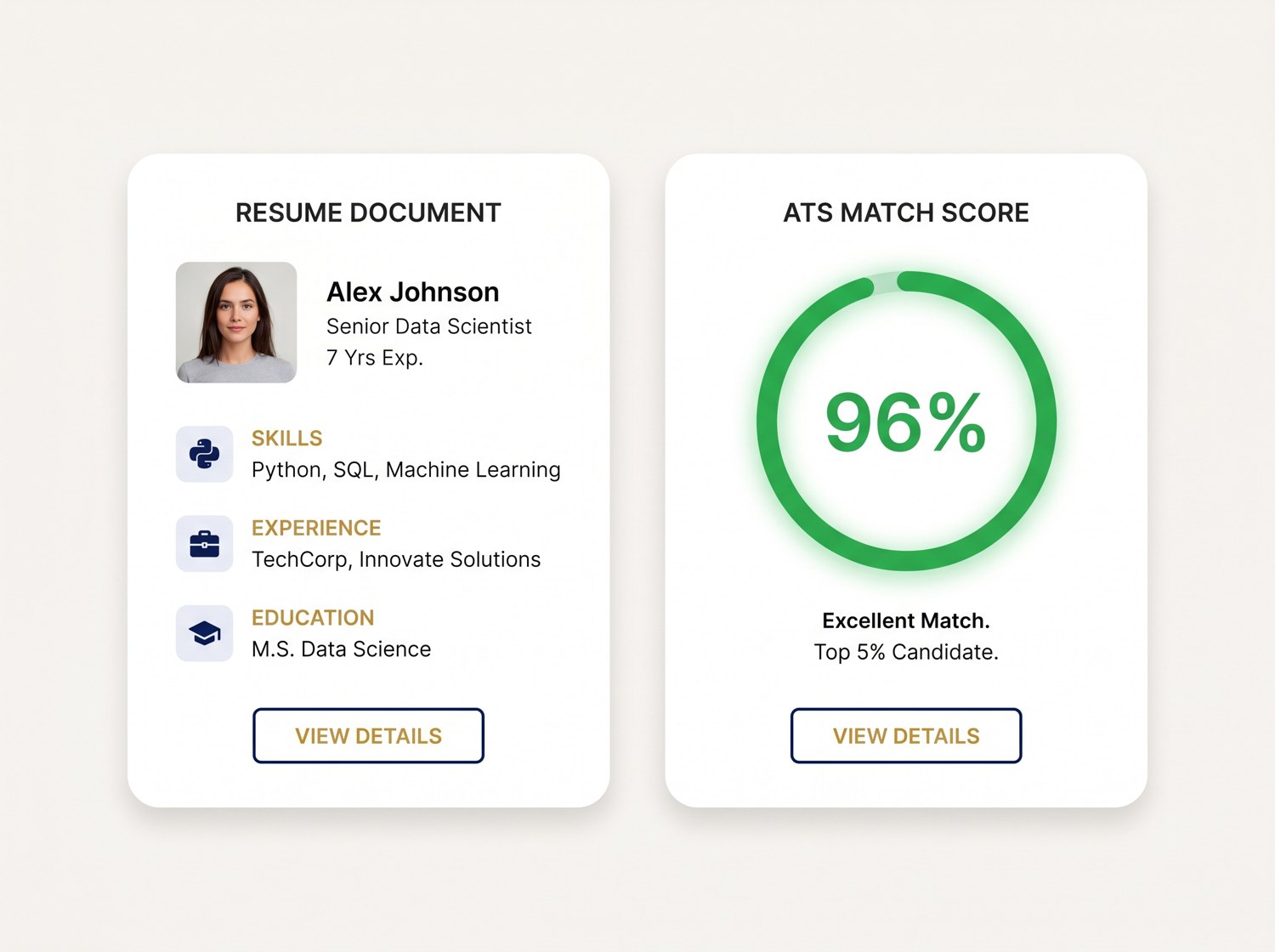
AI on both sides of the table. Candidates use AI to write and tailor applications. Employers use it to sort them. The same Fortune piece cites an Insight Global report in which around 99% of hiring managers say they use AI somewhere in hiring, and a Greenhouse report finding that about 63% of U.S. job seekers have already been interviewed by AI.
Everyone's application looks the same. When AI polishes every resume, polish stops being a differentiator. Bloomberg reported in August that about 84% of candidates for early-career finance roles use AI tools, and that firms are responding by leaning harder on tests and referrals (Bloomberg via The Star, August 24, 2026).
Why referrals matter more, not less
The same report cites LinkedIn data showing job seekers are more than three times more likely to be hired by a company where they are already connected with an employee. A World Economic Forum roundup of hiring trends this year made the same point: in the age of AI, human connections are once again a hiring advantage.
This is not new in front-office hiring. Banks, private equity firms and consulting practices have always leaned on referrals and headhunters. What is new is that the cold application, which used to be a weak channel, is now closer to noise. When a posting draws thousands of near-identical AI-written applications, the candidate a current employee vouches for is the one who gets read.
A line from London Business School's career centre in that Bloomberg piece sums it up: "If it's a job you really want, at least one person at the company needs to know your name before you apply."
What this means for banking and finance
Banks are some of the most AI-exposed employers in the country. Revelio Labs measured AI exposure in 49% of junior bank job postings and 43% of senior ones in the first quarter of 2026, against 35% in the rest of the economy, and found that junior roles at U.S. banks are now 4.7% below their October 2022 level (Revelio Labs). In June, a McKinsey partner told Bloomberg that some banks are cutting junior analyst classes by as much as two-thirds (Fortune, June 7, 2026).
For experienced hires this cuts two ways. Fewer junior seats means more competition at the bottom of the pyramid. But it also means banks and funds put more weight on people who already bring judgment, client experience and industry depth, which is exactly what a lateral hire offers. The opportunity is real. It just does not reward the spray-and-pray approach.
How to run a search that works now
- Apply to fewer roles, better. A tailored application to a role you genuinely fit, sent alongside a referral, beats fifty generic ones. Volume is exactly what AI screening is built to filter out.
- Network before you apply, not after. Find one or two people at each target firm, ideally on the team you want to join, and have a real conversation first. Our guide to getting referred in investment banking walks through how.
- Work the headhunters. In banking and private equity, many lateral roles move through search firms. Get in front of the ones who cover the seats you want (how investment banking headhunters work).
- Use AI for prep, not for your voice. AI is a good sparring partner for technicals, case practice and company research. It is a poor substitute for a note that sounds like you. And with AI-run screening interviews now common, practice answering out loud and on camera.
- Track everything. Who you applied to, who you spoke with, who owes you a reply. A search that is not tracked is a search that quietly stalls.
The catch: all of this takes time
Every step above is slower than clicking Easy Apply. That is the point, and it is also the problem for anyone with a demanding job. Most experienced professionals know what a good search looks like. Very few have twenty hours a week to run one.
That is the gap The Banking Club fills. We run the search for you: tailored applications, outreach and booked referral calls, headhunter introductions, interview prep, weekly check-ins and negotiation support. The entire fee is a small percentage of your first-year base salary, with a small deposit up front that counts toward it. You can see how a search runs, how pricing works, what our guarantee covers, or how we compare with the other options.
The AI era did not make strong candidates less valuable. It made them harder to see. The fix is making sure the right people see you first.